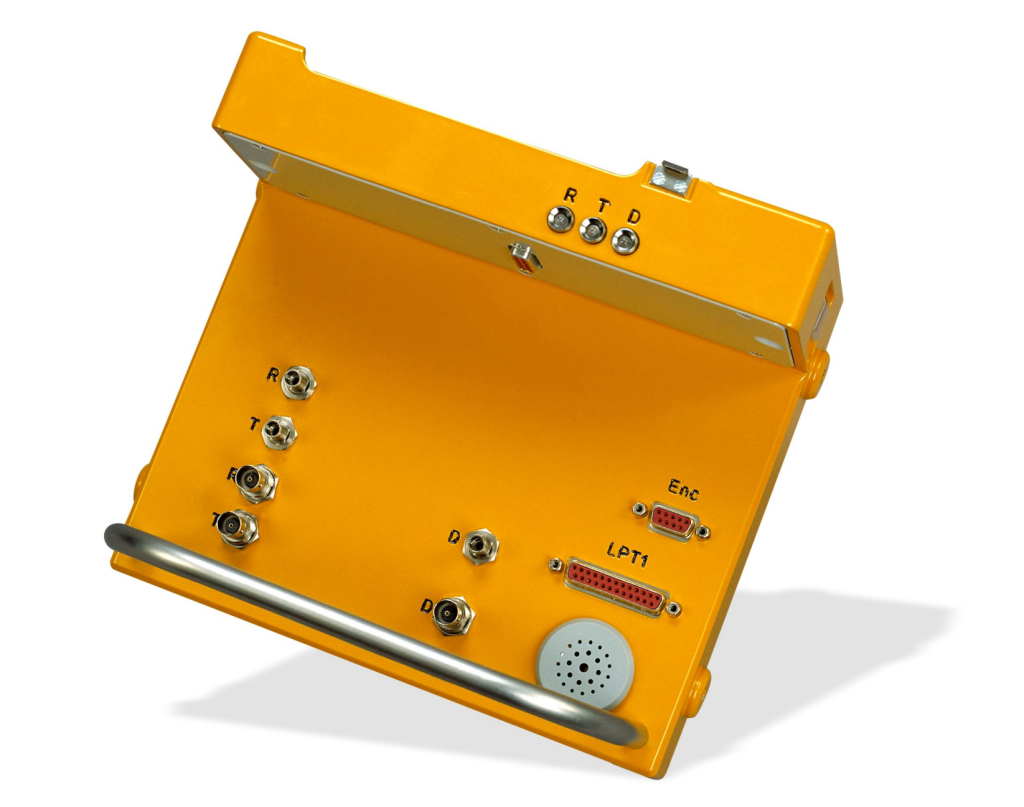
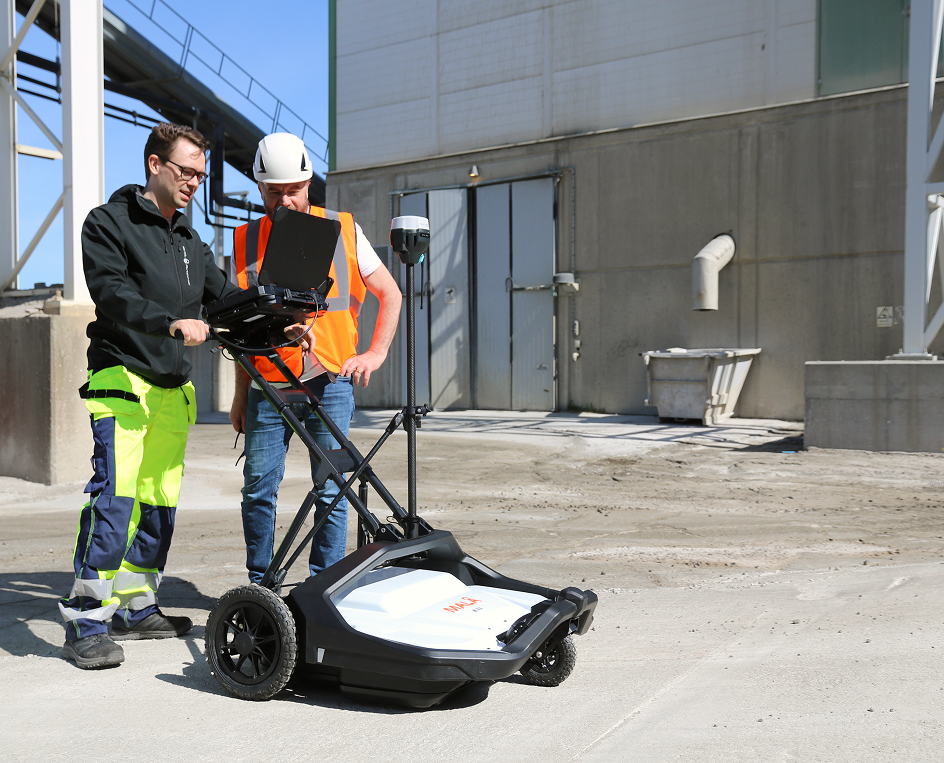
In 2008, the MIRA (MALÅ Imaging Radar Array) became available to the public, and its use spread rapidly, particularly in the archaeological community. The MIRA system was the world’s first multichannel GPR designed for commercial use. This first-generation MIRA featured a channel spacing of 8 cm and was capable of surveying more than 10,000 m² per day.
The first major archaeological investigation using MIRA took place at the UNESCO World Heritage site of Birka, a Viking-age trading town located on the island of Björkö in Lake Mälaren, Sweden. The survey revealed sections of the town’s wall and housing areas, identifying new areas for future excavations.
Since 2008, MIRA systems have been used in countless investigations worldwide, with a primary focus on archaeology, as well as extensive road surveys and utility mapping projects. Some of the key achievements include:
• The complete mapping of the Roman town Carnuntum, Austria (The gladiator training camp, Forum area etc)
• Surveying and mapping of the Stonehenge area in England as part of the Stonehenge Hidden Landscape Project
• The complete internal mapping of settlement remains of several Iron age Ring forts on the island of Öland, Sweden
• Extensive surveys at the Viking Age town Birka, Sweden
• The mapping of the Iron Age settlement site Uppåkra, Sweden
• Discovery of two Viking Ship burials in Norway (Gjellerstad and Edøy)
• The mapping of Roman fort Branodunum in Brancaster, UK
• Mapping of graves and monastery buildings at Fountains Abbey, UK
• MIRA Surveys at the well-known Anglo Saxon site Sutton Hoo, UK
• Mapping of buried utilities and heating infrastructure at Celtic Park Football stadium, Scotland
• The mapping of the buried English landscape gardens at Rosendal royal castle in Sweden